

Why Thinking About Death During Lent Is Life-Changing

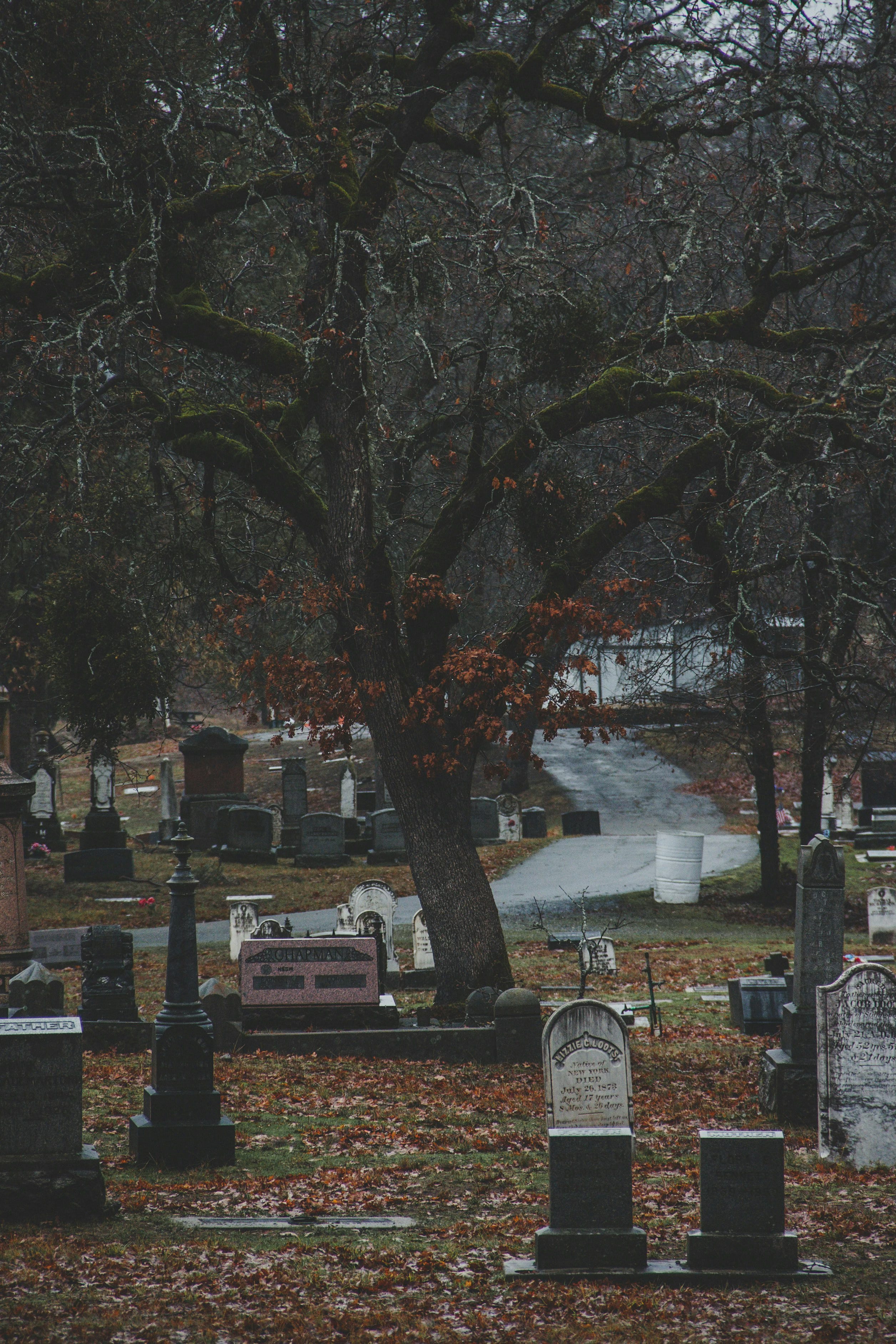
When I was young I had nightmares all the time. From what I can remember, they began around the age of nine and continued until I turned thirteen. For much of that four-year period I had the same nightmare every single night. It was exhausting, to say the least. Without going into too much detail, as I do not wish to glamorize the awfulness of it, suffice to say it involved being chased by some kind of demonic presence.
Since I turned thirteen, I do not recall ever waking up scared a single time in all the decades that have followed. I have many suspicions as to why the nightmares plagued me as a child and then departed when I came of age. Yet, even though the nightmares ceased, I never stopped thinking about death. Rarely a day or week has passed in my life without some contemplation of my own mortality.
There is no pattern to these thoughts, no fixed reason. Sometimes they come when I have been caught up in sin, at other times while walking along the water or simply meditating on life in general. The contemplation of death comes and goes of its own accord, and yet it never leaves me entirely.
For many years, I thought this might be peculiar, or perhaps, to be honest, somewhat neurotic.
When my father died in 2008, the intensity and frequency of my reflections on death increased dramatically. Over the years, as I have buried aunts, uncles, grandparents, and even some close friends, the sharpness of these meditations has only grown.
When I attend church each week, I am surrounded by images of men and women who have died. We call them Saints. They encircle the faithful as the angels of heaven encircle the throne. While many gaze upon them in awe and admiration of their beauty, I find myself looking at them and remembering that I too will die one day.
Yesterday, I injured my back. I am no stranger to such ailments, having torn both knees multiple times and endured a long litany of back, joint, and other injuries. It seems that if a part of my body could be harmed, I have suffered through it. When the worst of the pain struck at one o’clock in the morning, I again thought of my death. Somewhere between the five hundredth and thousandth repetition of the prayer “Lord Jesus Christ, Son of God, have mercy on me a sinner,” I wondered whether this might be the sort of pain endured by souls passing from this life to the next.
I have shared before that once, while sitting with my spiritual father in confession, he showed me an image of his mother taken just hours before her death. She looked as if she were already gone. He said, “I want you to see what she looked like, because this is what is going to happen to you one day.”
To think of our impending death may sound morbid, yet it may be among the healthiest exercises for the soul, especially for those of us whose faith depends upon the death of Christ.
Evagrius the Solitary writes in the Philokalia:
“In addition to all that I have said so far, you should consider now other lessons which the way of stillness teaches, and do what I tell you. Sit in your cell, and concentrate your intellect; remember the day of death, visualize the dying of your body, reflect on this calamity, experience the pain, reject the vanity of this world, its compromises and crazes, so that you may continue in the way of stillness and not weaken. Call to mind, also, what is even now going on in hell. Think of the suffering, the bitter silence, the terrible moaning, the great fear and agony, the dread of what is to come, the unceasing pain, the endless weeping. Remember, too, the day of your resurrection and how you will stand before God. Imagine that fearful and awesome judgment-seat.”
Remember the day of death.
Five simple words, yet for me they are profound. The day of death, both my final day on this earth and the day of the death of our Lord and Savior, are both historical moments. For me it will come one day soon. For Jesus, his death was once and for all.
During this Lenten season, it is difficult to believe that I could think about death more than I already do, yet indeed, I do. Fasting, denying oneself, brings mortality into sharp relief.
This is a good thing.
Too often everything around us distracts us from what matters most. We will all die one day, and that is okay. What is important is how we live now in relation to that coming moment.
Western culture hides death from nearly everyone. Most people who identify as Christians no longer practice Christian funerals. Instead, bodies are cremated and prayers for the deceased are replaced with memorials celebrating their life. It is as though even in death we shrink from admitting that death has occurred.
Remembering the good times is not bad. Remembering that the person is dead is good. Remembering them in prayer is biblical, as the righteous people in the Old Testament said prayers for those who had died.
May God richly bless you during this Lenten period.
~ Kenneth
Thank you to all my subscribers, whether paid or unpaid. Your comments, DMs, likes, and reposts are a constant encouragement to me.
To those who support me financially, I cannot begin to express how much your generosity means. When I sit with inquirers over coffee or have conversations with those who reach out, I often tell them that it is literally the miracle of my supporters that allows me to be there as often as I am.
I have lost so many people , including 2 brothers in 2 years. Grief has been a main theme in my life. I have only really began to truly heal due to my journey into Orthodoxy. Praying for the dead has been ground breaking for my grief. Something I always wanted to do, caught myself doing as a Protestant , than asking forgiveness and not letting my mind wander there again. Why did we lose this teaching?!
Remember us, O Lord, when Thou comest in Thy kingdom.